Call Anytime
Product Categories

Home / Bitumen Testing Equipment Manufacturer in Kenya
Civil Engineering Equipment has international certifications from premier organizations like-UNESCO, UNICEF, UNIDO
Bitumen Testing Equipment Manufacturer in Kenya
Showing 1–12 of 35 results

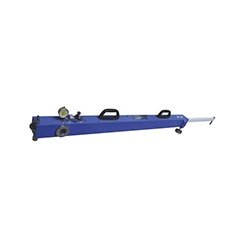
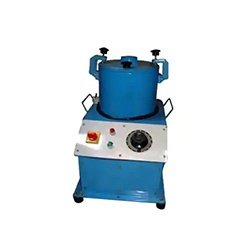

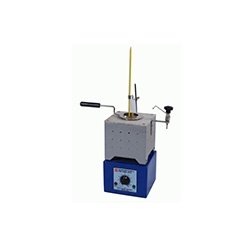
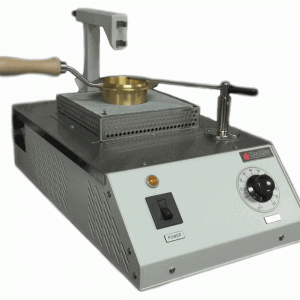
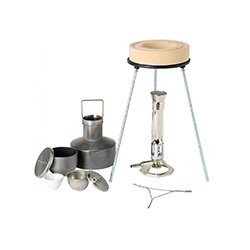


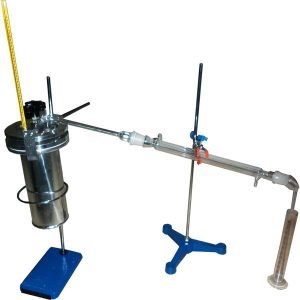
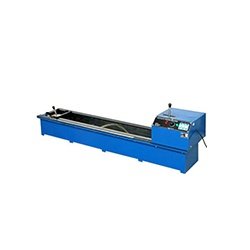

Bitumen testing equipment manufacturer provides highway departments, contractors and engineers with an efficient means of verifying the consistency of bitumen before it’s used on roads. Test results help determine different penetration grades; such as Marshall Stability tests, ductility and viscosity assessments.
The cutting point apparatus includes an electric heater, glass still, support stand, condenser, drain and handle. Bitumen is first weighed prior to heating before being reweighed afterwards.
CivilEngineeringEquipment is a trusted Bitumen Testing Equipment manufacturer, providing high-quality instruments for accurate testing of bitumen in road construction. Our durable and precise equipment meets international standards, ensuring reliable results for engineers and researchers.
Built for bitumen core cutting of road pavement, the machine operates at 230 V single phase power. Equipped with a rummer foot and automatic blow counter to track how many blows have occurred, this reliable equipment is easy to operate and highly effective – perfect for both horizontal and vertical compaction!
Bitumen Aging Test Equipment allows for the determination of bituminous material properties such as penetration and softening point that have been altered by short-term aging processes, using empirical methods. Only small samples are necessary, making this an efficient test method to assess consistency or evaluate bituminous materials where penetration or viscosity testing cannot provide enough data.
The Marshall Apparatus is an equipment piece used to measure the resistance of bituminous materials to plastic flow by measuring how far a metal needle travels into a bitumen mass. This instrument is widely utilized by laboratories performing testing of materials like asphalt, tar and concrete and features an electric heater, glass still and condenser with adapter and shield to maintain constant temperatures for analysis of bituminous materials of various dimensions and is also available in multiple sizes to meet this purpose.
Bitumens possess various properties that determine their usefulness for various applications. Conducting tests in the laboratory helps select the ideal bitumen type for road construction based on penetration, viscosity and softening point tests to select durable yet safe bituminous material that suits various climates.
Viscosity can be measured by penetrating a sample with a standard needle and recording its depth in millimeters; higher penetration values indicate more fluid bitumen. Furthermore, rotating viscometers may also be used to accurately assess its viscosity.
Bitumen’s ductility can be measured in cms by stretching it with a device called the Ductilometer until thread breaks, or by measuring both its kinetic and absolute viscosities.
This apparatus comprises of a cast aluminium rotor bowl and shaft connected to a base, driven by an electric motor with a rotation speed of 3500rpm. Gears are lubricated with oil while keeping assembly submerged in an oil bath; operating off single phase AC mains supply voltage; optional refrigeration system available as an option.
Bitumen is used in construction projects based on its suitability. Certain tests check its consistency, penetration depth, softening point, and ductility. These assessments guarantee that the optimal binder is chosen for minimizing road damage, enhancing stability, and prolonging the lifespan of infrastructures. Such evaluations are crucial in assisting engineers with proper engineering and safety measures concerning roads.
One crucial testing method is the penetration test, which measures consistency by the distance in tenths of millimeter that a standard needle vertically penetrates a sample of bitumen under specific loading and temperature conditions. It forms part of Bitumen Extraction Test Apparatus manufacturing processes and the penetration number indicates its consistency.
A ring-and-ball apparatus can also be used to assess the softening point of bitumen. This mechanical assembly consists of a brass ring holding a sample of bitumen, suspended steel ball, water or glycerin-based liquid medium, and heated to an ideal temperature before testing bitumen softening in terms of ball drop distance.
Other testing equipment includes centrifuge extractors, which quickly determine the percentage of bitumen present in a sample by adding solvent and spinning at high speed. It can easily identify how much dissolved bitumen there is and is easy to operate – providing a reliable alternative to traditional water distillation methods while saving both time and money.
One of the most renowned Bitumen Testing Equipment suppliers in Kenya is Civilengineeringequipment. They only stock high quality and reliable instruments. Their equipment is tailored according to international standards which guarantees accurate testing of the bitumen for roads and other infrastructure projects. Civilengineeringequipment’s focus on endurance, accuracy, customer satisfaction and servicing has helped them gain the trust of engineers, various construction companies, and academic institutions through out Kenya. Their innovation and service provides immense value in education and uses makes them a go to for bitumen testing solutions. Be it pertaining to research, quality control, or field tests, Civilengineeringequipment gives the appropriate tools that guarantee performance and optimal outcomes for years to come.
Get Your Free Quote